

Time Series Analysis
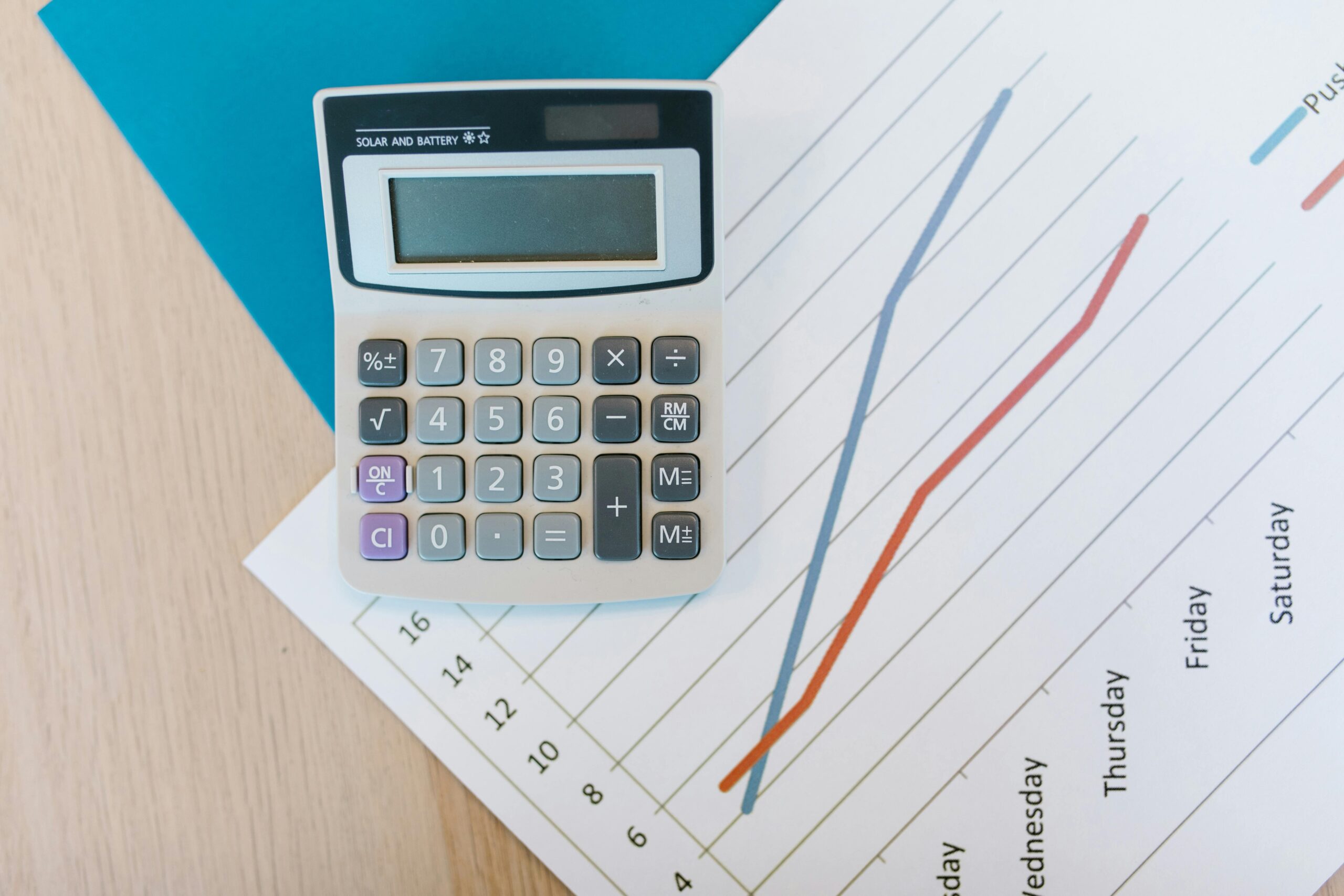
In social science research, some data doesn’t just answer “how much,” but also “when.” For example: a country’s unemployment rate over the years, a student’s weekly motivation level, or the daily engagement of a social media campaign. For such data, ordinary analysis methods are not enough. This is where time series analysis comes in.
In this article, we’ll explain what time series analysis is, when to use it, and its basic methods—clearly and with examples.
- What Is a Time Series?
A time series is data collected at regular intervals (daily, weekly, monthly, yearly) and arranged in chronological order. The main goal is to analyze changes over time, discover patterns, and make forecasts.
Example: Unemployment rates among university graduates in Turkey from 2015 to 2025.
- When to Use Time Series Analysis
- When data is collected in chronological order
- When you want to forecast future values using past data
- When analyzing trends, seasonality, or cyclical movements
- When observations are dependent on each other (e.g., yesterday’s value affects today)
- Key Components
Trend
Long-term upward or downward movement in data.
Example: Increasing social media usage over the years.
Seasonality
Regular fluctuations that repeat at specific intervals.
Example: Increased tourism spending during summer months.
Stationarity
A series is stationary if its mean and variance remain constant over time. Most time series models assume stationarity.
- Most Common Methods
Moving Average
Used to smooth short-term fluctuations in data.
Autoregressive Models (AR)
Assume that past values influence the current value.
Model:
Yₜ = β₀ + β₁Yₜ₋₁ + εₜ
ARIMA (Autoregressive Integrated Moving Average)
A powerful model used to handle trend and stationarity issues.
ARIMA(p,d,q):
- p: number of lags
- d: degree of differencing (to achieve stationarity)
- q: lag of moving average
Seasonal ARIMA (SARIMA)
An extended version of ARIMA that includes seasonal components.
- Time Series Analysis in SPSS, Excel, and R
- SPSS: Analyze > Forecasting > Create Models
- Excel: Data > Data Analysis > Moving Average
- R: Use packages like forecast, tseries, zoo for ARIMA and more
- How to Report Time Series Analysis in Your Thesis
“Unemployment rates from 2010 to 2024 were analyzed using the ARIMA(1,1,1) model. The model showed strong predictive power (AIC = 123.4). A clear upward trend was observed, along with seasonal declines during summer months.”
- Conclusion
Time series analysis helps not only to understand the past but also to predict the future. It’s a powerful tool in social sciences, especially in areas like policy analysis, economic indicators, and education data. If your thesis includes a time dimension, be sure to consider this method.
Contact Us!
Do You Need Time Series Analysis?

Get in touch with us through our contact page for research design and analyses tailored to your needs with Data Analytics expertise.

High-Quality
We Collect High-Quality Data
Quick
We Conduct Analyses Quickly

Affordable
We Do All of This at Affordable Prices


